Silent Contributors: Exploring How Trees Enhance Biodiversity in City Environments Oct 26, 2026
Urban areas are not traditionally seen as rich ecosystems, but trees play a crucial role in changing this narrative. By providing shelter and food, they support a wide range of wildlife. Birds, for instance, benefit greatly from trees in urban settings. Species such as sparrows, robins, and even hawks find habitat and nesting sites among the city’s trees. The canopy offers refuge and safety from predators, while the seeds and fruits provide a steady diet.
Moreover, trees support insects, which are fundamental to biodiversity. The vibrant community of insects, including bees and butterflies, thrives by feeding on tree leaves, nectar, and pollen. These insects, in turn, attract predators such as bats and birds, further enriching the urban wildlife tapestry. This interconnected web forms a dynamic ecosystem right in the heart of the city.
Another essential benefit of urban trees is their contribution to improving air quality. Trees act as natural air filters by absorbing pollutants and carbon dioxide, releasing oxygen instead. This service is crucial for human health and supports various life forms dependent on clean air. Through photosynthesis, trees maintain atmospheric balance, playing a pivotal role in balancing urban climates and reducing heat.
Trees also combat urban heat islands by providing shade and releasing moisture into the air through their leaves, thereby cooling the surrounding environment. This cooling effect makes cities more livable for wildlife while reducing energy consumption for air conditioning in homes and businesses. Such an environmental service enhances the quality of life for urban residents and provides a stable habitat for diverse species.
Ground-dwelling creatures like squirrels and rabbits also rely on urban trees for forage and protection. Fallen leaves and branches create a layered habitat on the ground, enriching the soil and providing sustenance for soil organisms. As organic matter breaks down, it improves soil fertility and supports plant growth, leading to healthier urban ecosystems.
As cities continue to expand, incorporating and nurturing green spaces is becoming ever more crucial. Residents can support this initiative by advocating for tree planting programs and caring for the existing greenery. Simple actions such as watering young trees, avoiding soil compacting, and being mindful of tree roots during construction activities can make a significant difference.
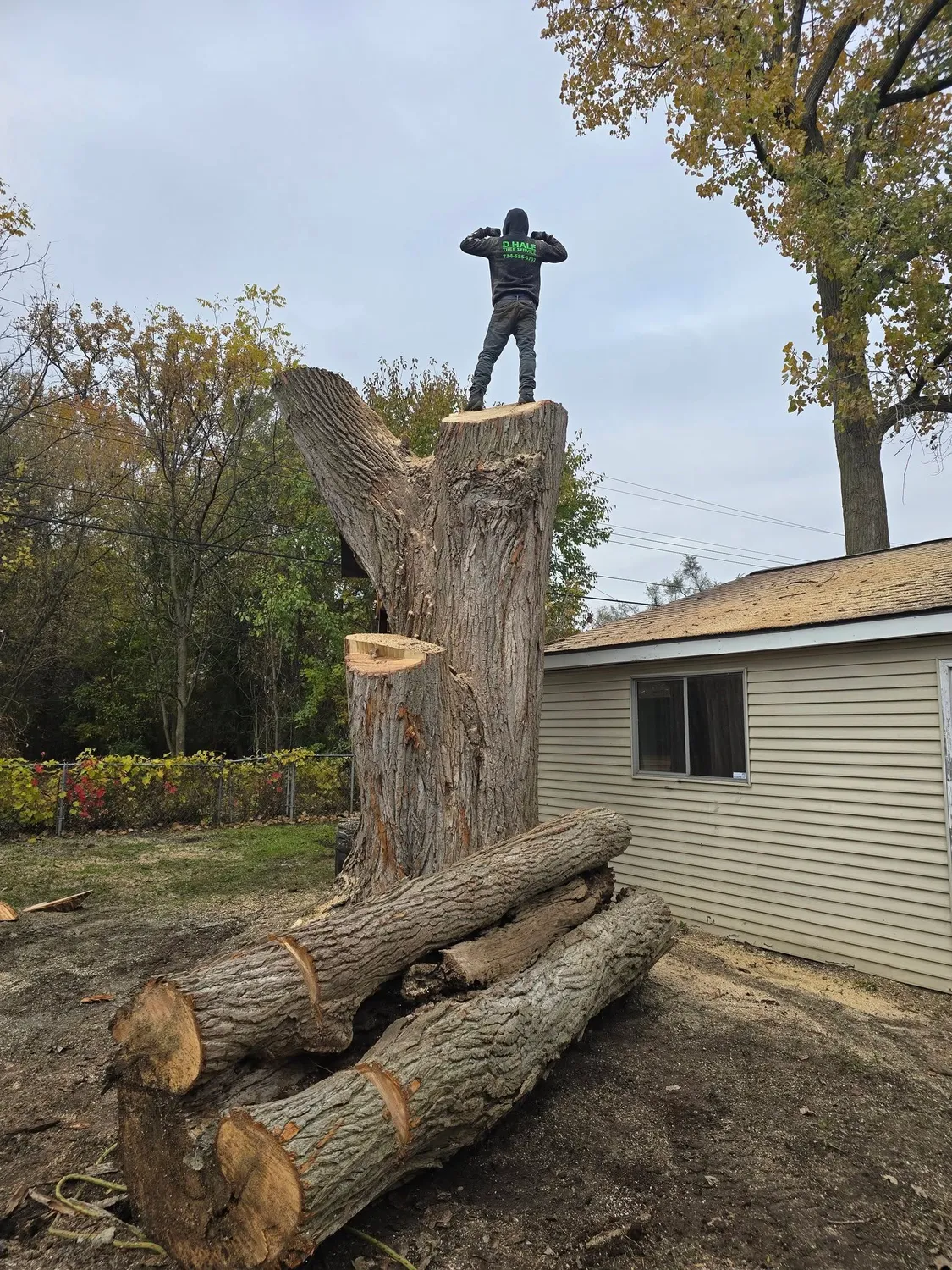
At D Hale Tree Service, we not only provide essential care for trees but also strive to educate communities about their ecological importance. We encourage individuals to appreciate the silent contributions of urban trees and to participate in preserving and enhancing city biodiversity.
In conclusion, trees are champions of urban ecosystems, quietly performing critical tasks that make cities healthier and more sustainable. By acknowledging and supporting their presence, we can significantly contribute to urban biodiversity. Let us celebrate and protect these silent contributors for the invaluable services they provide to our urban landscapes. Through our collective efforts, we can create a more sustainable future, one tree at a time.